

10 great PC games that got better after launch - ferreiradefe1977

Hello Games
"Games as a Service" has become a buzzword in recent months, especially in the wake of November's Mavin Wars Battlefront Cardinal lootbox disputation. The lootbox association has also tainted the term, ligature it inextricably to what's at best seen atomic number 3 a "necessary evil" in the industry.
Merely the basic idea can Games as a Servicing is a net positive on paper: The games you like get expanded upon after firing. Not just one big expansion or a handful of smaller DLCs, merely near-constant support for years at a time. It's what populate liked about MMOs, but for all genres—the bright side to this digital future, with its Day Unmatchable patches and all the unusual stuff players like to grumble about.
So let's celebrate the games that got it compensate. Here, you'll find games that had disastrous releases—train wrecks, really—simply which managed to parlay post-issue support into a game worth playing. Eventually.
Diablo III
 Blizzard
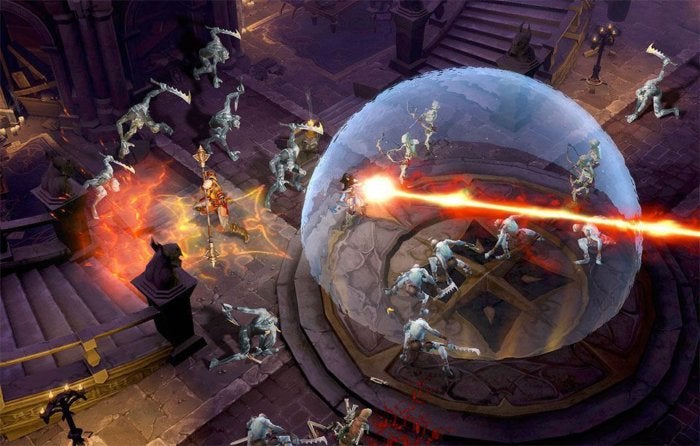
 Diablo Threesome ($20 happening Struggle.sack up) may never exhort the same fierce roll in the hay and loyalty as its predecessor, but it's perfect for this list. Diablo III launched in 2012 in a terrible State Department. People didn't comparable the reave, didn't similar the campaign, didn't like the classes, didn't equal the art style, didn't care the real-money auction house, and especially didn't like the fact it was always-online. (Hello, Error 37.)
The always-online issue sadly persists to this day, only a combining of updates and the superb Reaper of Souls expanding upon unmoving or leastways mitigated the remainder. Blizzard went so faraway American Samoa to exterminate the real-money auction house and overhaul the drop system to make progression more satisfying, adding powerful personal effects to Legendary items and devising drops more relevant to players under the "Bread 2.0" moniker. Blizzard besides added Adventure Mode, gift players randomized levels to keep them playing long past the point where they would've burned out on the campaign.
It worked. An eventual Diablo Intravenous feeding power be a more interesting proposition, but Diablo III is an eminently playable action-RPG at this point and wholly redeemed its flawed launch.
Rainbow Six Besieging
 Hayden Dingman/IDG
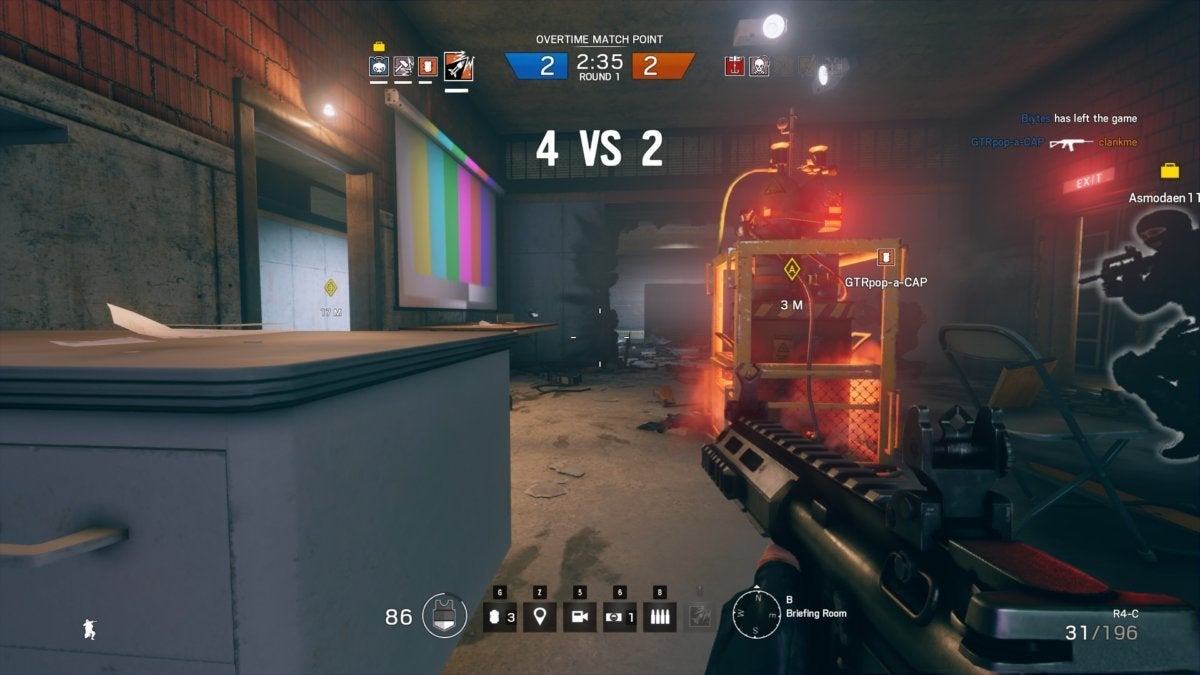
 Ever so since I first played Rainbow Six Military blockade ($40 on Amazon) at E3 2014 and blew direct my first to the full-destructible bulwark, I knew the heart concept was great: a shooter where the entire environment can be turned to Swiss cheese. IT was a gimmick seen in Battlefield: Bad Company 2 and Red Faction: Insurgent, but Ubisoft built an incredible plan of action gunman close to it.
But Siege at launch was rough some the edges, with a somewhat limited roster, an awkward progression system of rules, and (most polemic) networking issues. Suddenly "Tick Rate," OR the speed at which a multiplayer server updates, was complete anyone wanted to talk about, and every Siege player became an expert. Low tick rate is bad because it means players aren't getting accurate selective information about the match, leading to moments where you swore you killed someone only to have the opposite bump. Quite a problem in a game every bit capitalistic and ill-smelling-stakes as Siege.
The server consequence has cleared since release, though it's still shy of the "ideal" 60Hz. On the other hand, cardinal days of post-release support has helped Siege flesh out its ideas into one of the all-time greats—the only real next-gen shooter, I'd fence.
Warframe
 Extremity Extremes
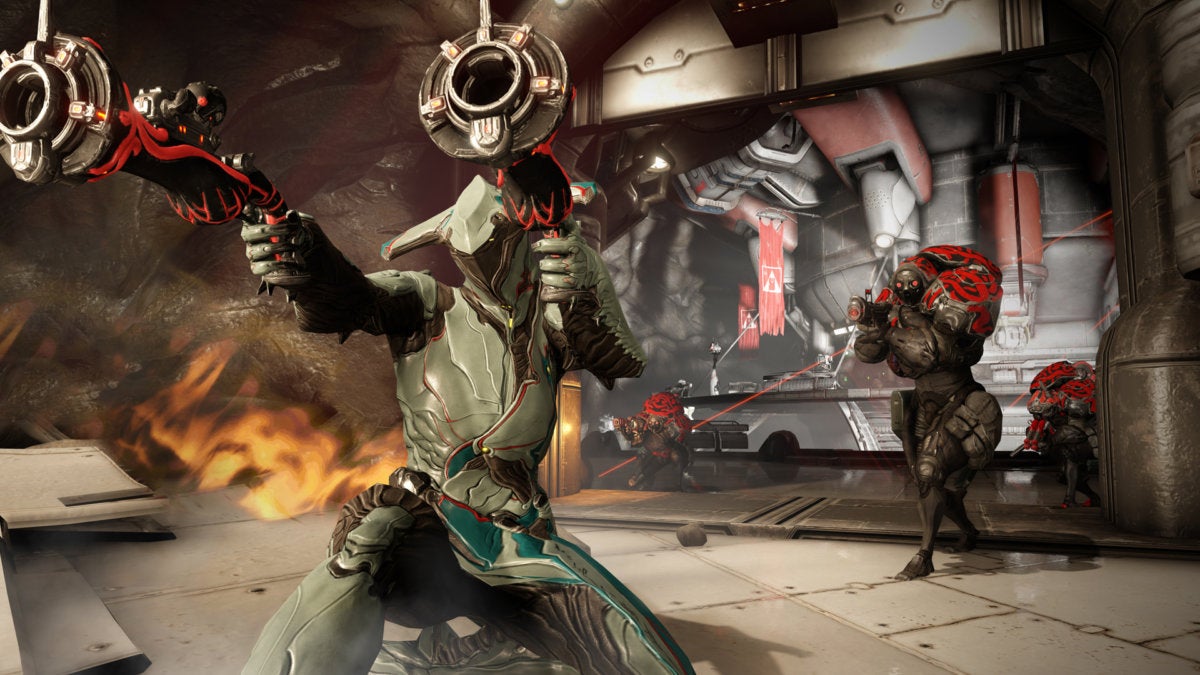
 I'm perpetually popeyed how much Warframe (free on Steam) has taken disconnected. It had an absorbing enhancive at its 2013 launch—space ninjas! Chill! But that was about it. A grind-heavy onward motion and fairly narcotic missions made IT hard to bond with lengthy-term.
Warframe's gotten steadily better though, becoming friendlier to its free-to-play users, adding stacks and tons of content, and even adding its first pseudo-open-world zone last yr, altogether changing the feel of the courageous. Thither's a reason a lot of citizenry left Destiny 2 to go (or go down bet on) to Warframe last year. The games offer the same feedback circuit, but Warframe feels like it gets right a lot of what Destiny 2 bumbled. Naturally, Warframe also has the advantage of four years of live development.
Disregarding, it's pretty great nowadays, especially for a free-to-play lame. And come on, information technology's space ninjas.
 Bethesda
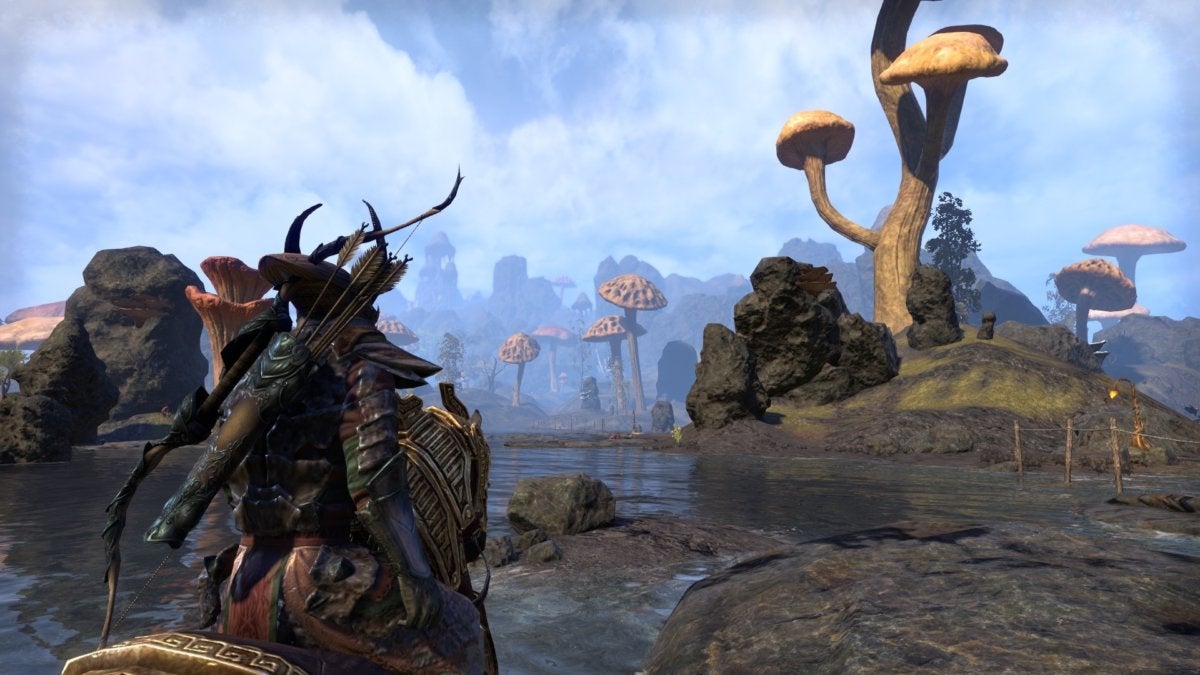
 I bounced right turned Sr. Scrolls Online ($30 happening Steam) at release. It seemed like a cynical cash-grab, the Elder Scrolls scrape flexible terminated an MMO frame that didn't really support it. There's non much appeal to sharp-eared you're the savior of the world, so entering a donjon and determination six other prospective "saviors" inside. And it was a subscription-supported MMO, too! In 2014!
Maybe it's Bethesda's dedication to the idea, maybe it's just acclimatizing to the core concept, maybe IT's just Thomas More distance from Skyrim, but Sr. Scrolls Online doesn't feel most as offensive nowadays. Last year's Morrowind expansion was enough of a hook to convince me to give it another blastoff. It's still atomic number 102 substitute for a proper Elder Scrolls sequel merely Bethesda's lore-outset approach, with abundant throwbacks to fan-favorite characters and dungeons, make ESO a worthwhile detour. And hey, there's no subscription anymore. That helps too.
Fortnite
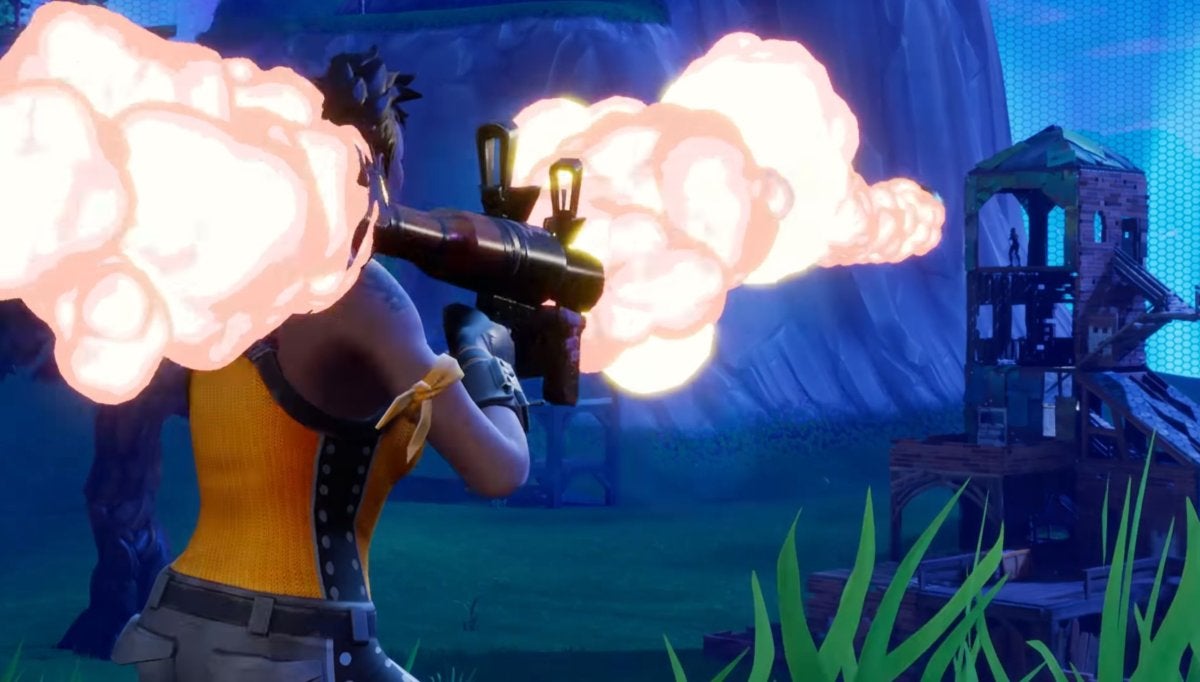 Epic Games
 What a bizarre saga. In development for something like seven years, Fortnite always seemed suchlike a whole lot—a complicated hybrid of MineCraft-style building and a Gears of State of war Horde Way. Receipt seemed lackluster, even when the game finally reached official Early Admittance last summer.
And then two months later Epic added Fortnite: Battle Royale, retention the basal building-and-shooting ideas merely restructuring them about the last-person-standing ideas of Playerunknown's Battlegrounds. Buckeye State, and patc PUBG costs $30, Epic made Fornite: Battle Royale free.
It worked. Whether because IT's unconfined or because it's fun (probably both), Fortnite: Battle Royale quickly surpassed Fortnite proper, and even surpassed PUBG itself in peak concurrent actor numeration. It's smooth become so popular that Heroic poem canceled its other Embryonic Access project, the MOBA-like Paragon, to move those developers to Fortnite. What a turnaround.
Concluding Fantasy XIV
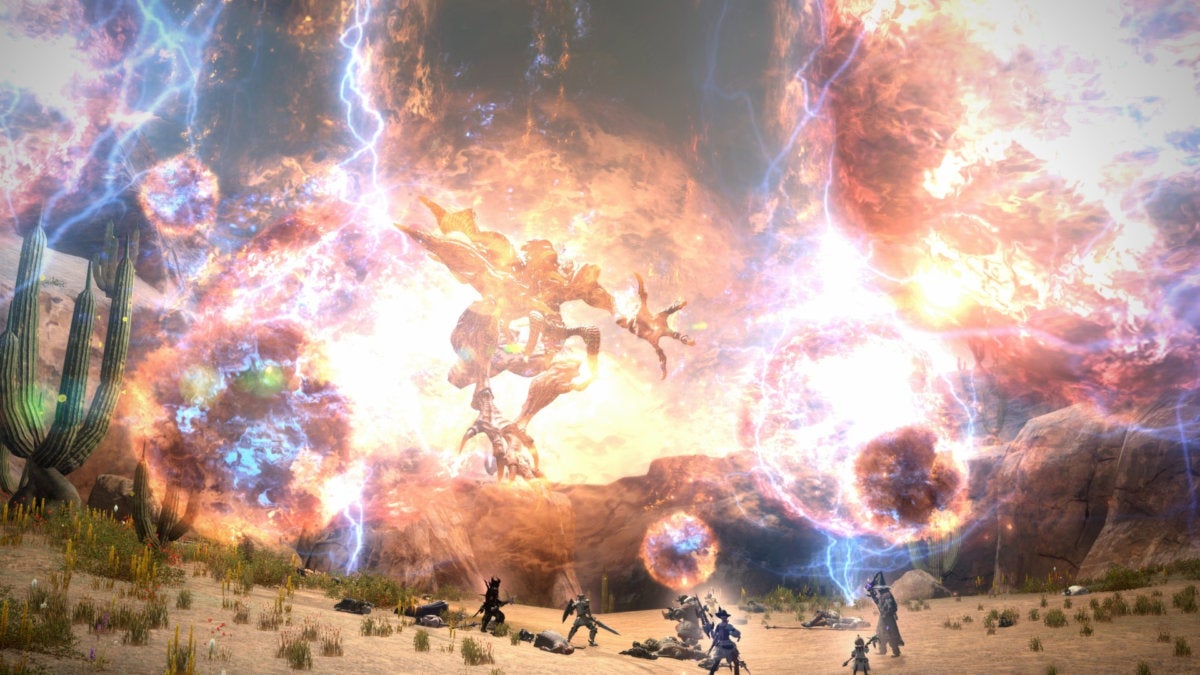 Honorable Enix
 No other game on this list suffered quite so bad as Final Fantasy Cardinal ($20 Starter Variant or $60 Accomplished Edition happening Amazon). Initially released in 2010, the MMORPG was wide panned by critics and fans similar. It was poorly optimized, wacky, and—whip of complete—boring. So uninteresting, in point of fact, that Paid Enix threw it in the ice.
Seriously: The original version of Ultimate Fantasy Fourteen was so lousy that Square Enix pulled IT offline after two years and started over.
The resolution was 2013's Final Fantasy XIV: A Kingdom Born-again. With a new direction team in seat, A Realm Reborn set come out of the closet to fixate the originative's flaws and turn Final Illusion Fourteen into a modern MMO. It succeeded. Last Fantasy XIV's writing is some of the top the genre offers and has only improved with each meaty expansion. Hellhole, the biggest problem with Final Fantasy XIV at this point is simply how much of it there is—it can be intimidating to sample and beguile up. On the unusual hand, an ingenious level-scaling system way you're never too far from assist. Grab a champion or two and commit it a shot, perhaps.
Field 4
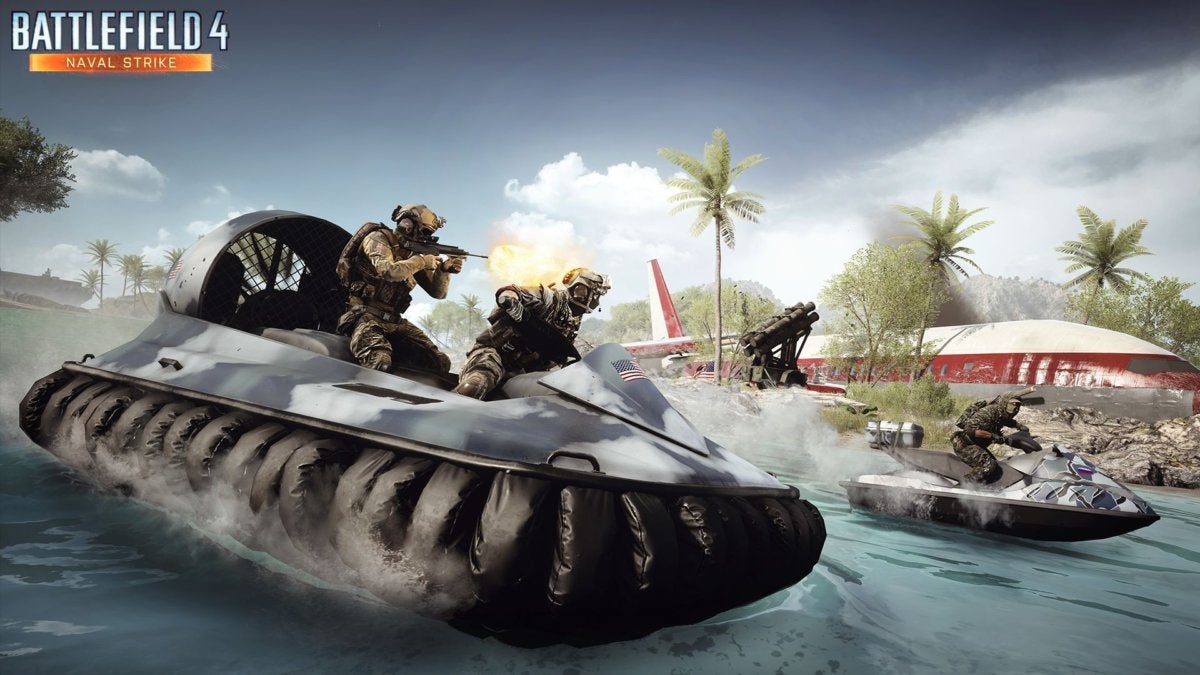 DICE
DICE If you played Battlefield 4 ($20 on Amazon) at release, you probably remember this bug: Every time the central tower collapsed on the "Siege of Shanghai" correspondenc, the waiter would crash and kick most players back to the main menu. Not a great first impression. The game remained buggy for months, with Cube delaying the rollout of its first expansions. Near-constant assembly posts asked if Battlefield 4 was "fixed" yet.
Those fixes took a while, but cardinal geezerhood of updates ready-made Battlefield 4 the ultimate current-war shooter, with everything from close-living quarters combat to straggly tank-and-jet-central battles and even a virtual take on Battlefield 2142's beloved "Titan Fashion," with pilotable aircraft carriers upright in for 2142's mech bases.
And with Battleground 1 ($60 on Amazon) returning to a historical Existence War setting, it's liable Battlefield 4 will remain the standard innovative-war shooter for old age to come.
Grand Thievery Car Online
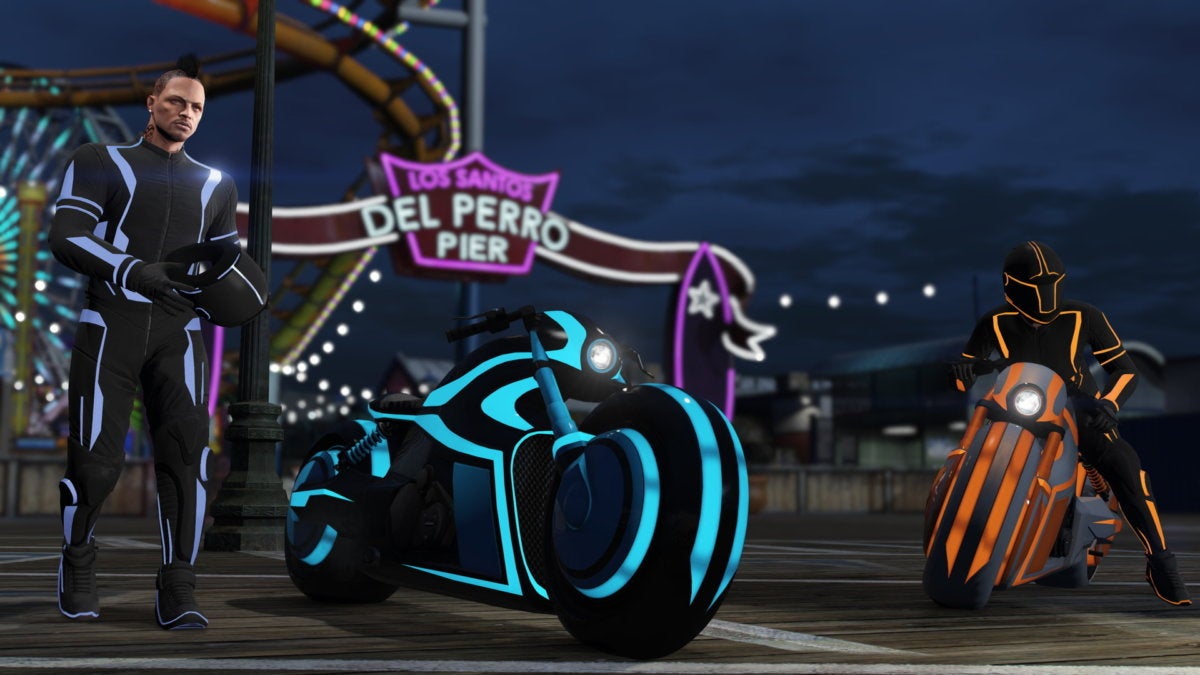 Rockstar
 Grand Thieving Machine Online is hush up not the way I favor to play Grand larceny Auto V ($60 happening Steam clean), but there's no denying how much it's grown since release. What at the start seemed similar a half-assed addition to the singleplayer is now a game in its own right, cram full of exclusive missions, co-op heists, races, underground bunkers, and so on.
We didn't even get proper singleplayer story DLC for Grand Thievery Auto V, a huge departure for Rockstar. Rather, GTA Online's received more than four years of add-ons, signaling a huge transfer in approach and audience. I'd bet a significant contingent bought GTA V only for the GTA Online element, and the game's still selling strong.
Wonder what that means for the upcoming Red Dead Salvation 2.
The Division
 Ubisoft
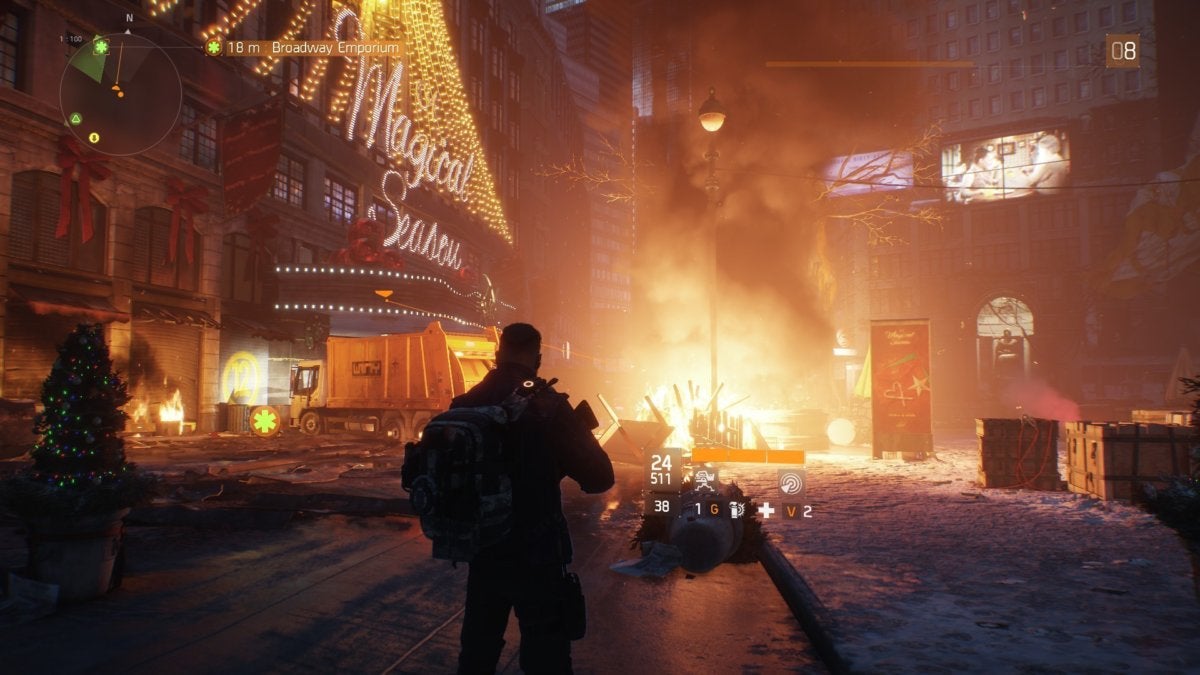
 Another Ubisoft secret plan, eh? I'm perception a pattern—both of flawed releases and, maybe much important, long brook. At put out, The Variance ($50 happening Amazon) was a disappointing RPG/shooter hybrid full of tedious bullet-sponge enemies, boring missions, stale loot drops, and a world that felt lifeless and unresponsive.
The late-2016 Survival enlargement started to turn sentiment around though, adding a 24-person survival mode with hunger, thirst, diseases, the constant threat of cold temperatures, and the even large threat of your fellow players. It was nigh a inferior-scale battle royale game, though with a lot Sir Thomas More environmental systems than combat-homeward do comparable Playerunknown's Battlegrounds.
And the updates continued. The PvP-adjusted Last Stand update was fine, but it was December of 2017's free 1.8 update and the incidental Electric resistance expanding upon that really affected, adding an entire section to the map out, a new Gears of War-style Horde Mode, a revamped Dark Zone, and much. If The Division could be salvaged, maybe some game could—given plenty prison term, that is.
No Humans's Sky
 Hello Games
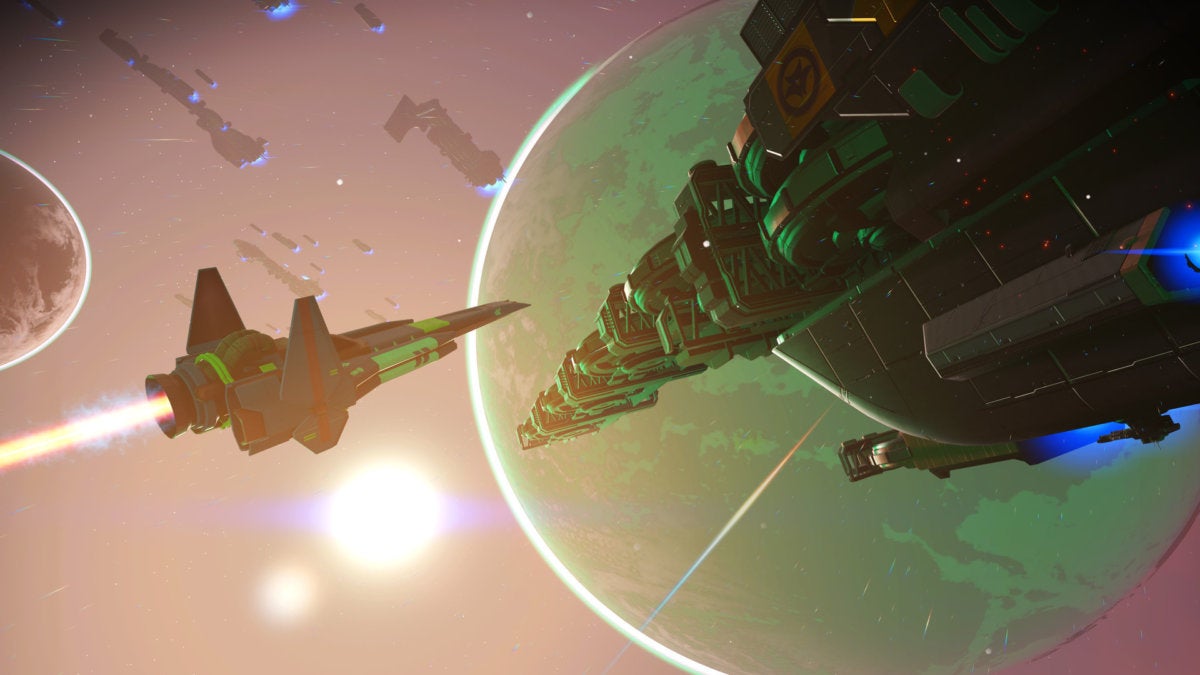
 Ah, the poster-child for inflated expectations. Afterward geezerhood of hype, No Man's Flip ($60 on Steam) released in the summer of 2016 to a collective shrug off. The spirited's vaunted procedurally-generated planets turned out to be interchangeable, with the occasional surprise or unputdownable creature or beautiful vista simply a reminder of how mediocre the rest felt.
The office deteriorated further when two Reddit users managed to arrive at the same planet, only to realize they couldn't see for each one other—a disappointment for people WHO expected seamless multiplayer in No Man's Sky's enormous universe. For about people, that's likely where No Man's Sky ended—with a vague sense of disappointment and a reminder to never preorder games.
No Man's Toss has improved much since then, though. Early, the Foundation Update gave players the ability to figure bases. Then the Pathfinder update allowed players to share those bases online, plus added "exocraft" for exploring the surface of planets and the power to possess more than one spaceship at a time. It also introduced a permadeath mode and a photo mode.
2017's Atlas Rises update was perhaps the most encompassing, though, completely overhauling the fresh (bland) story, adding in new biomes and planet types, a switch system, procedurally generated missions, and Thomas More. It was one blaze of an update, and while No Isle of Man's Sky might never live adequate to the pre-release hype, I'd articulate information technology's gotten a lot closer now than I of all time expected back in 2016.
Note: When you purchase something after clicking links in our articles, we may gain a small commission. Read our affiliate link policy for more details.
Hayden writes well-nig games for PCWorld and doubles as the resident Zork enthusiast.

Source: https://www.pcworld.com/article/407979/pc-games-as-a-service-improved-updates.html
Posted by: ferreiradefe1977.blogspot.com
0 Response to "10 great PC games that got better after launch - ferreiradefe1977"
Post a Comment